Introduction
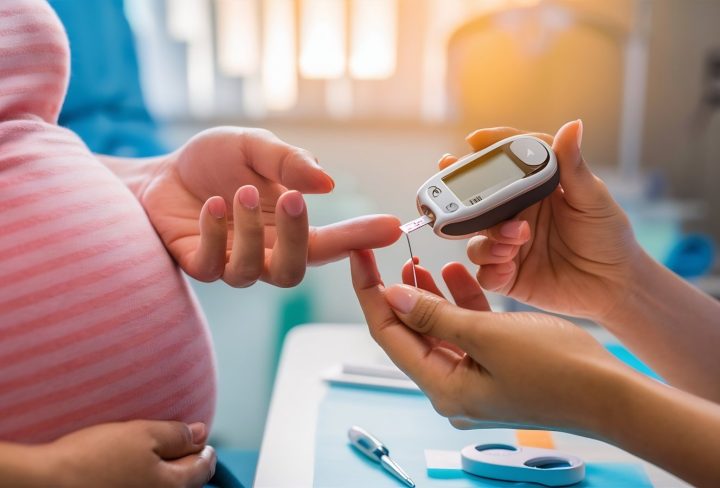
Fetal hyperglycemia means high blood sugar in unborn babies. This condition can happen when a mother’s blood sugar is too high during pregnancy. For example, it often links to gestational diabetes. Because fetal hyperglycemia can affect a baby’s health, it is important to understand its causes, symptoms, and management. In many cities, doctors watch for this condition to help protect both mother and child.
What is Fetal Hyperglycemia?
Fetal hyperglycemia is when a baby in the womb has too much sugar in their blood. Usually, the mother’s blood sugar crosses the placenta and reaches the baby. If the mother’s blood sugar is high, the baby’s blood sugar can rise as well. Over time, this can lead to health problems for the baby. In many cases, fetal hyperglycemia is linked to gestational diabetes effects on the fetus.
Causes of Fetal Hyperglycemia
There are several reasons why fetal hyperglycemia can happen. Most often, it is caused by high blood sugar in the mother. However, other factors may play a role. For instance, certain medical conditions or medicines can increase risk. Below are common causes:
Because these causes are common, doctors often screen pregnant women for high blood sugar.
Symptoms and Signs
Often, fetal hyperglycemia does not show clear signs in the baby before birth. Still, there are some clues that doctors look for. For example, an unusually large baby (macrosomia) can be a sign. Sometimes, extra fluid around the baby (polyhydramnios) may also be seen. In addition, mothers with high blood sugar may notice:
Because these signs are not always obvious, regular check-ups are important.
Diagnosis Methods
Doctors use several methods to diagnose fetal hyperglycemia. First, they check the mother’s blood sugar levels. If these are high, they may look for signs in the baby. For instance, an ultrasound can show if the baby is larger than expected. In some cases, doctors may test the fluid around the baby. Additionally, they may monitor the baby’s heart rate for any changes. Early diagnosis helps in managing fetal hyperglycemia and reducing risks.
Management and Treatment Options
Managing fetal hyperglycemia focuses on controlling the mother’s blood sugar. Because this helps lower the baby’s risk, doctors may suggest:
In some cases, doctors may adjust treatment as the pregnancy progresses. With good management, many mothers and babies stay healthy.
Prevention Strategies
While not all cases can be prevented, there are steps mothers can take. For example, keeping a healthy weight before and during pregnancy can help. Also, regular prenatal visits allow doctors to catch problems early. Other prevention tips include:
Because prevention is important, these steps can lower the risk of high blood sugar in unborn babies.
Lifestyle Guidance for Expectant Mothers
Expectant mothers can make daily choices to help prevent and manage fetal hyperglycemia. For instance, planning meals ahead can keep blood sugar steady. Additionally, drinking plenty of water and getting enough sleep are helpful. Here are some simple lifestyle tips:
Because every pregnancy is unique, always talk to your healthcare provider about your specific needs. Following these steps can help keep both mother and baby healthy during pregnancy.